
Resolving Supplier and Vendor Conflicts: How Da’vantage Mediation Promotes Fair Agreements
Supplier and vendor conflicts are challenges that often arise in business relationships, specifically between companies that supply goods and the businesses that procure those goods. These conflicts can be attributed to a variety of causes, each capable of disrupting the symbiotic relationship that exists between suppliers and vendors. Common issues include miscommunications regarding product specifications, delays in delivery schedules, fluctuations in pricing, and differences in quality expectations. These factors can inevitably lead to disputes that, if left unresolved, hinder operational efficiency and erode trust.
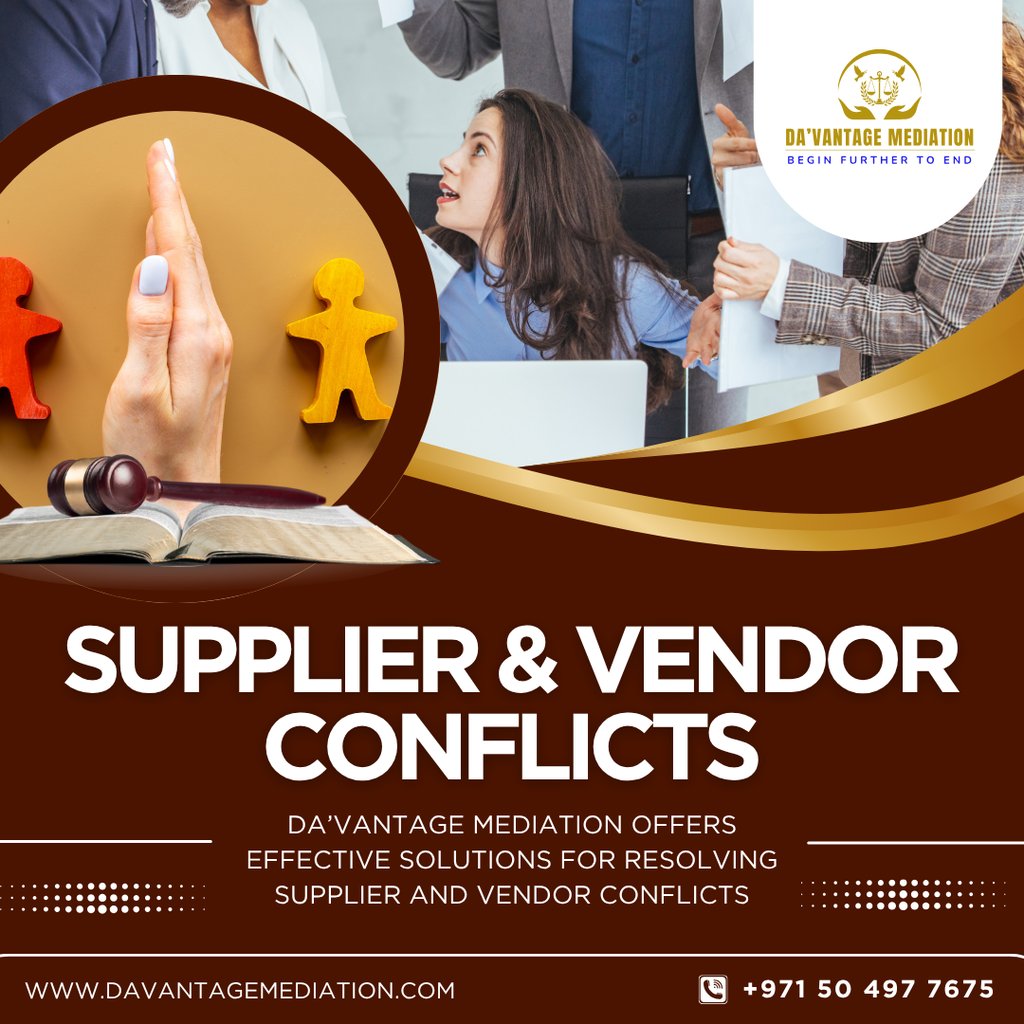
Understanding Supplier and Vendor Conflicts
Supplier and vendor conflicts are challenges that often arise in business relationships, specifically between companies that supply goods and the businesses that procure those goods. These conflicts can be attributed to a variety of causes, each capable of disrupting the symbiotic relationship that exists between suppliers and vendors. Common issues include miscommunications regarding product specifications, delays in delivery schedules, fluctuations in pricing, and differences in quality expectations. These factors can inevitably lead to disputes that, if left unresolved, hinder operational efficiency and erode trust.
The consequences of unresolved supplier and vendor conflicts can be significant and may extend beyond mere operational disruptions. Delayed shipments can lead to stock shortages, which in turn can impact customer satisfaction and sales. Financial losses can accumulate from vendors either overcharging for goods or services or from suppliers facing penalties due to unmet delivery deadlines. The strain of ongoing disputes can also sour professional relationships, creating a hostile atmosphere that stifles collaboration and innovation.
Moreover, when conflicts escalate without effective resolution strategies, businesses may find themselves entangled in prolonged negotiations or even legal disputes, which consume valuable time and resources. The ripple effects of these conflicts can damage not only the operations of the involved parties but can also create negative perceptions within the market, potentially harming reputations. Understanding the nature of supplier and vendor conflicts and their causes is crucial for businesses seeking to maintain harmonious relationships that drive success and profitability.
The Role of Mediation in Conflict Resolution
Mediation is a structured, interactive process where a neutral third party, known as a mediator, assists disputing parties in reaching a mutually satisfactory agreement. At Da’vantage, mediation is employed as a strategic tool for resolving conflicts between suppliers and vendors, promoting fair agreements through effective communication and collaboration. Unlike traditional litigation, which can often be adversarial, mediation emphasizes cooperative problem-solving, aiming to address the underlying interests of all parties involved.
The mediation process typically begins with the mediator establishing ground rules and ensuring that all parties understand the objectives. This initial phase is crucial for building trust and creating an environment conducive to open dialogue. Following this, the mediator facilitates discussions, encourages each party to express their views, and helps them explore various solution options. The aim is to guide the conversation toward constructive outcomes without dictating solutions.
One of the significant advantages of choosing mediation over litigation is cost-effectiveness. Mediation typically requires fewer resources, both financial and temporal, than court proceedings. Furthermore, the confidential nature of mediation protects sensitive information and maintains business relationships, which is vital for suppliers and vendors who may wish to continue their partnership beyond the conflict.
Furthermore, mediators are equipped with essential skills that enhance the likelihood of a successful resolution. These include excellent communication abilities, empathy, and neutrality, which are crucial in diffusing heightened emotions and keeping discussions focused on resolution rather than blame. By leveraging these skills, a mediator can foster a collaborative atmosphere, allowing both parties to negotiate in good faith toward a workable solution.
Collaborative Discussions: The Key to Fair Agreements
In the realm of supplier and vendor relationships, conflicts are not unusual. However, the manner in which these conflicts are addressed can significantly impact the long-term dynamics of these partnerships. Collaborative discussions serve as a vital component in the mediation process, facilitating an environment where open communication thrives. Da’vantage Mediation places a strong emphasis on creating a platform where all parties feel heard and respected, thus laying the groundwork for reaching mutually beneficial agreements.
One of the core tenets of effective mediation is active listening. This technique allows mediators at Da’vantage to fully understand the perspectives and concerns of each party. By encouraging participants to express their viewpoints without interruption, the mediation process fosters transparency. Not only does this promote trust, but it also enables the parties involved to see the issue from different angles, which is essential in resolving conflicts amicably.
Furthermore, the concept of compromise plays an integral role in collaborative discussions. Rather than adhering rigidly to predetermined positions, Da’vantage encourages flexibility. By exploring alternative solutions and creatively reimagining roles and responsibilities, parties can often uncover unexpected avenues leading to agreements that satisfy the needs of everyone involved. For instance, a recent mediation involving a supplier dispute resulted in a novel pricing structure that both sides found favorable, ultimately not only salvaging their relationship but also enhancing their business operations.
Overall, the mediation practice at Da’vantage underscores the importance of collaborative discussions. By prioritizing open communication, active listening, and the spirit of compromise, the organization helps parties navigate through conflicts effectively. This approach not only resolves immediate disputes but also builds stronger, more resilient partnerships moving forward.
Protecting Business Interests through Mediation
In today's fast-paced business environment, conflicts with suppliers and vendors are not uncommon. These conflicts, if left unresolved, can escalate and significantly disrupt operations. Da’vantage Mediation specializes in facilitating resolutions that not only address the immediate issues but also protect the long-term interests of businesses. Engaging in mediation offers a less adversarial approach to conflict resolution, allowing both parties the opportunity to express their concerns and collaboratively work towards a resolution.
One of the primary benefits of mediation is its ability to foster stronger relationships between parties. When suppliers and vendors find common ground through facilitated discussions, it not only resolves the existing conflict but also lays the foundation for future collaboration. The mediation process encourages open communication and mutual respect, which are essential factors in maintaining a healthy business relationship. Such an atmosphere reduces the likelihood of future disputes and promotes a more harmonious working environment.
Furthermore, mediation is designed to protect the integrity of businesses involved. By focusing on interests rather than positions, Da’vantage Mediation helps parties to identify shared objectives and explore creative solutions that may not have been considered during a more combative negotiation. This approach not only safeguards financial interests but also contributes to the overall reputation of the businesses involved. Parties are more likely to leave the mediation process with satisfactory outcomes that reinforce trust and respect.
In essence, mediation serves as a vital tool in protecting business interests while simultaneously nurturing essential relationships within the supply chain. As conflicts arise, Da’vantage Mediation stands ready to assist businesses in navigating these challenges, ultimately ensuring that they emerge stronger and more resilient.