
Navigating Elderly Care and Guardianship Disputes: How Da’Vantage Mediation Provides Compassionate Resolutions
Elderly care and guardianship disputes arise when family members disagree on the appropriate care and management of an elderly relative. As our loved ones age, the complexity of their care needs often increases, leading to challenging discussions among families. Factors such as medical conditions, cognitive decline, and financial management can contribute to these disputes, making understanding each facet of elderly care essential.
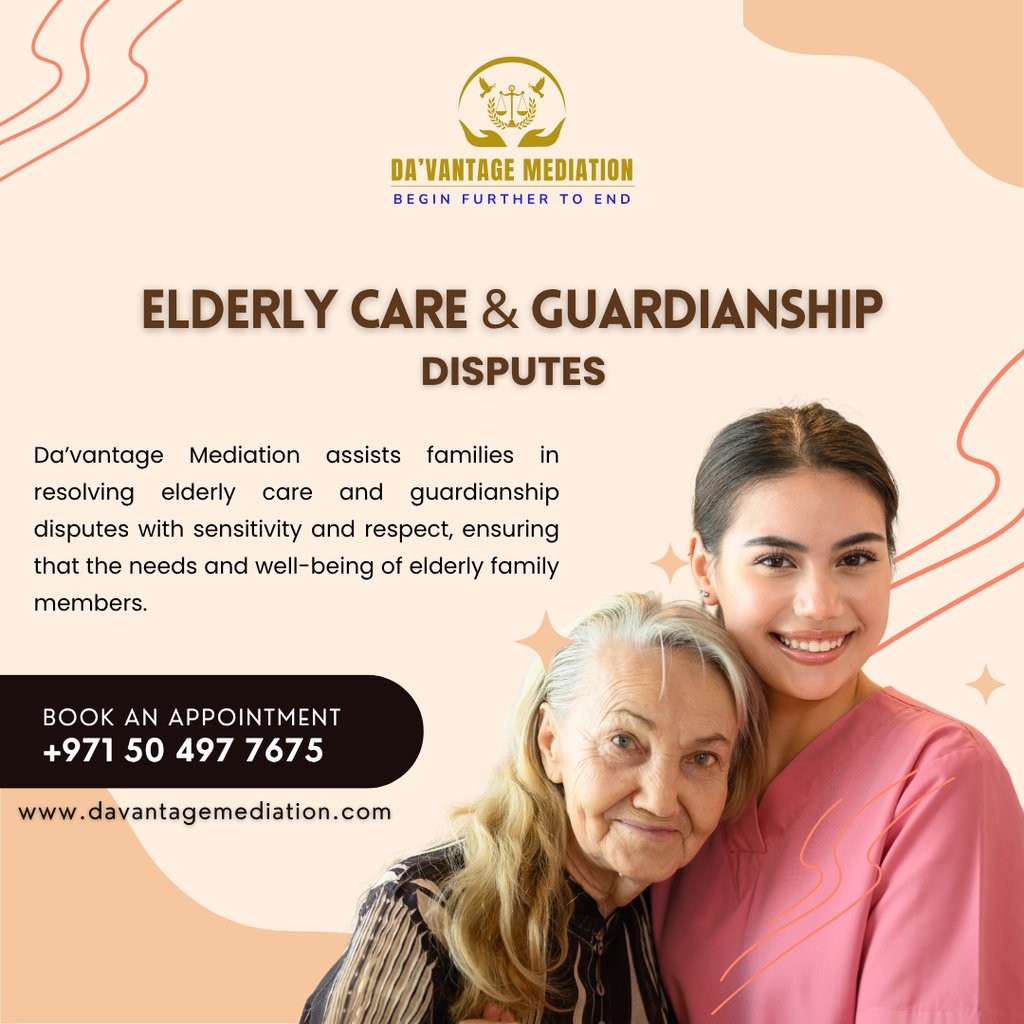
Elderly care and guardianship disputes arise when family members disagree on the appropriate care and management of an elderly relative. As our loved ones age, the complexity of their care needs often increases, leading to challenging discussions among families. Factors such as medical conditions, cognitive decline, and financial management can contribute to these disputes, making understanding each facet of elderly care essential.
One common challenge families face involves living arrangements. Decisions about whether an elderly relative should remain in their home, move in with family, or enter a long-term care facility can lead to significant disagreements. These discussions can become emotionally charged, particularly when family members have differing perceptions of what constitutes adequate support and care.
Medical decisions present another area of potential conflict. Whether choosing specific treatments, managing medication, or deciding about end-of-life care, the choices made can deeply affect the quality of an elderly person's life. Family members often have varied opinions based on personal beliefs or experiences, leading to challenging dialogues that can escalate into disputes.
Legal complexities also contribute to the difficulty of navigating elderly care. Guardianship issues, particularly, can emerge when family members worry about the capacity of an elderly individual to make sound decisions. In such instances, it may be necessary to consider legal guardianship arrangements, which can further complicate relationships within the family.
Effective communication is paramount in addressing these challenges. Promoting open dialogue among family members helps ensure that everyone’s concerns and ideas are heard, fostering a cooperative environment that can lead to better decisions for the elderly relative. Clear communication can act as a buffer in the emotional turbulence often associated with elderly care, helping to minimize misunderstandings and promote unity among family members.
The Role of Mediation in Resolving Disputes
Mediation serves as a vital alternative to litigation, especially in the context of disputes related to elderly care and guardianship. This process involves a neutral third party known as a mediator who facilitates discussions between the conflicting parties. Mediation aims to encourage open communication, enabling each party to express their views and concerns in a safe environment. The mediator's role is to guide the conversation, helping individuals find common ground while ensuring that the focus remains on the best interests of the elderly individual involved.
Unlike traditional legal approaches, which can often result in a winner-takes-all scenario, mediation emphasizes collaboration. This cooperative method fosters an environment where family members can work together to reach a mutually agreeable solution. Not only does this help preserve relationships, but it can also lead to more tailored outcomes that fit the specific needs and preferences of the elderly person at the center of the dispute.
Confidentiality is another significant advantage of the mediation process. Unlike court proceedings, which are typically public, mediations are private, allowing parties to discuss sensitive issues openly without the fear of judgment or backlash. This confidentiality promotes honesty and can lead to more satisfying resolutions, as parties feel secure to voice their true thoughts and emotions.
Ultimately, mediation holds the potential to resolve conflicts constructively, prioritizing the welfare of elderly individuals over adversarial tactics. As such, when disputes arise regarding elderly care or guardianship, mediation presents a compassionate and effective avenue for resolution that minimizes stress for all involved.”
Da’Vantage Mediation's Unique Approach
In addressing family disputes that involve elderly care and guardianship, Da’Vantage Mediation implements a distinct methodology rooted in both sensitivity and respect. Recognizing that such conflicts can be deeply emotional and complex, the firm prioritizes a compassionate resolution framework tailored specifically to the nuanced needs of families. This approach ensures that all parties, especially the elderly individuals at the heart of the dispute, feel genuinely heard and valued throughout the mediation process.
During initial consultations, Da’Vantage Mediation takes the time to understand the family dynamics and individual concerns. Each family member is encouraged to express their thoughts, fostering an environment of open dialogue. This practice not only aids in uncovering underlying issues but also helps in establishing mutual respect among participants. By tailoring the mediation sessions to accommodate each family’s unique circumstances, Da’Vantage Mediation seeks to create a constructive atmosphere conducive to resolution.
Moreover, the firm’s mediators employ active listening techniques and empathy-driven conversations to ensure that the elderly parties are not only included but are also empowered to share their perspectives. This empathetic interaction plays a crucial role in promoting understanding and collaboration among all involved, adhering to the philosophy that respect fuels effective conflict resolution.
Testimonials from clients underscore the effectiveness of Da’Vantage Mediation’s approach. For example, one family reported a significant reduction in tension following a mediation session, crediting the mediators’ ability to create a safe space for discussion. In another instance, a client emphasized how the mediation helped preserve familial bonds while addressing critical care decisions for their elderly loved one.
Ensuring the Well-being of Elderly Family Members
Successful mediation in elderly care and guardianship disputes yields numerous benefits that significantly contribute to the well-being of elderly family members. By fostering a collaborative environment, mediation can lead to more harmonious family relationships and a clearer understanding of each party's needs and expectations. This shared understanding is crucial in creating care arrangements that genuinely reflect the wishes and best interests of the elderly individual involved.
One of the most notable outcomes of successful mediation is the establishment of care plans that not only meet the practical needs of the elderly person but also honor their emotional and social well-being. Such plans often incorporate input from various family members and, when applicable, professional care providers. As a result, elderly individuals can experience a higher quality of care, as the solutions are tailored to their unique circumstances, enhancing their overall satisfaction and sense of security.
Moreover, thoughtful resolutions achieved through mediation have a long-lasting positive impact on familial relationships. When family members engage in open dialogue and reach compromises, it helps build trust and understanding. This collaborative spirit is invaluable and often translates to better communication and support for the elderly family member over time.
To prevent potential disputes from escalating, families are encouraged to engage in early intervention and maintain open lines of communication. Regular family meetings to discuss care issues and involve the elderly person in decisions about their care can assuage concerns and address misunderstandings before they spiral into larger conflicts. Additionally, seeking the guidance of a mediator early on can provide families with valuable strategies to facilitate discussion and navigate through sensitive topics.
In conclusion, employing mediation as a means to resolve disputes surrounding elderly care not only enhances the care arrangements but also nurtures familial bonds, ensuring that the well-being of elderly family members remains at the forefront of discussions and decisions.